browse by topics


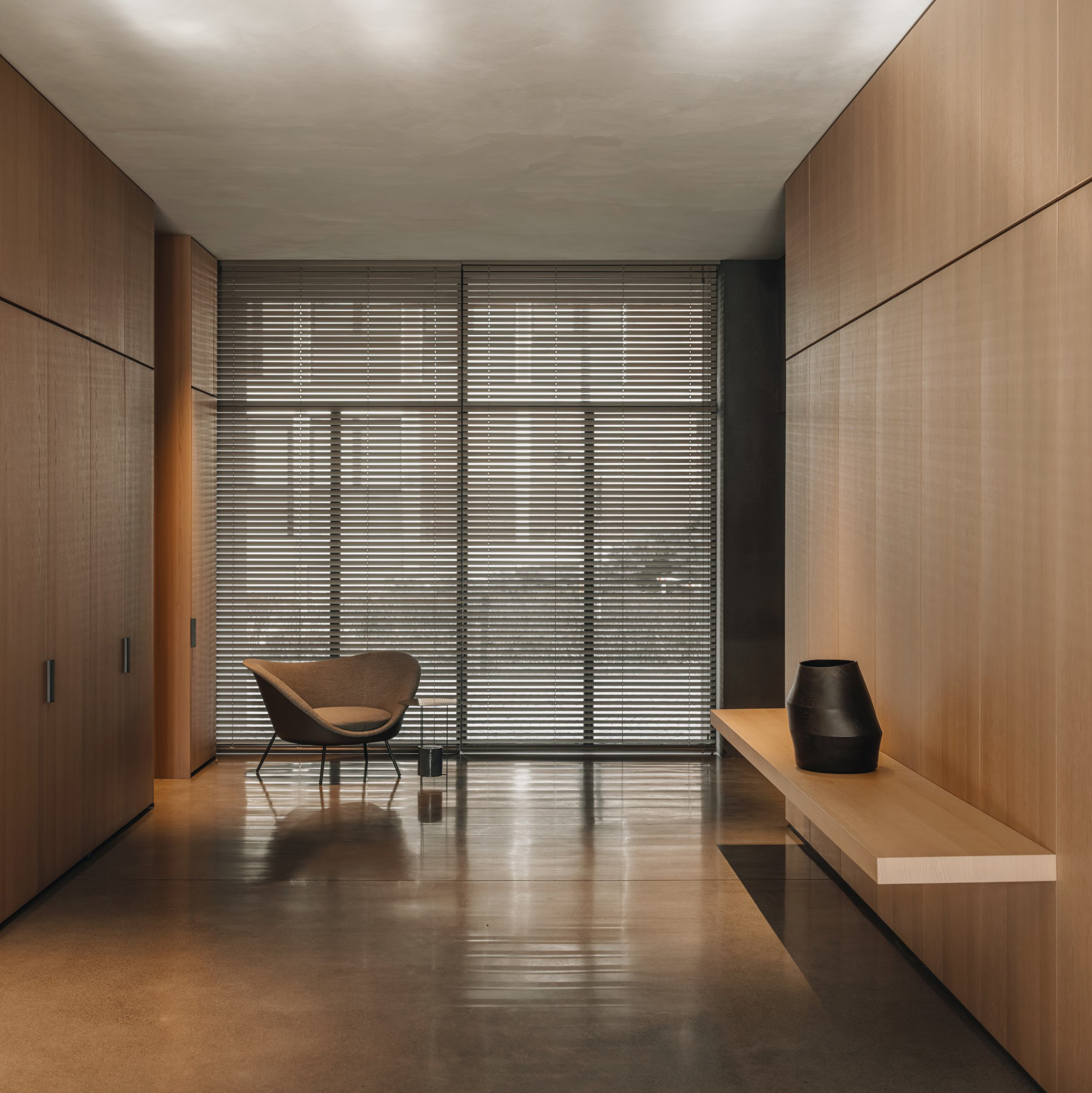
The rays of the spring sun bring a renewed energy to the Molteni Pavilion, illuminating both its interior and exterior spaces while weaving together a selection of paintings and sculptures, curated by KALPA on the occasion of the upcoming Milan Design Week in April 2026. As the new season unfolds, the Vicent Van Duysen-designed architecture welcomes a dialogue of dense textures and white, black, and sienna tones. Art evokes a deep appreciation for natural processes, focusing on the beauty of irregularity and imperfection. Each piece is singular, narrating a distinct story that carries the imprint of the artist's emotions and skills.
 Photography by Daniel Civetta, Courtesy KALPA Gallery
 Photography by Daniel Civetta, Courtesy KALPA Gallery
As part of the dedicated project Pavilion of Arts, the latest installation brings together the contemporary works of Guillem Nadal (Spain), Marco Bellini (Italy), Konrad Koppold (Germany), and Kate Windibank (UK). Defined by a warm and serene Mediterranean spirit, the tactile materiality of the works, spanning painting, ceramics, and wood compositions, radiates a subtle glow that complements the modernist-inspired structure, breathing a reborn organic vitality into the building’s clean, disciplined lines.
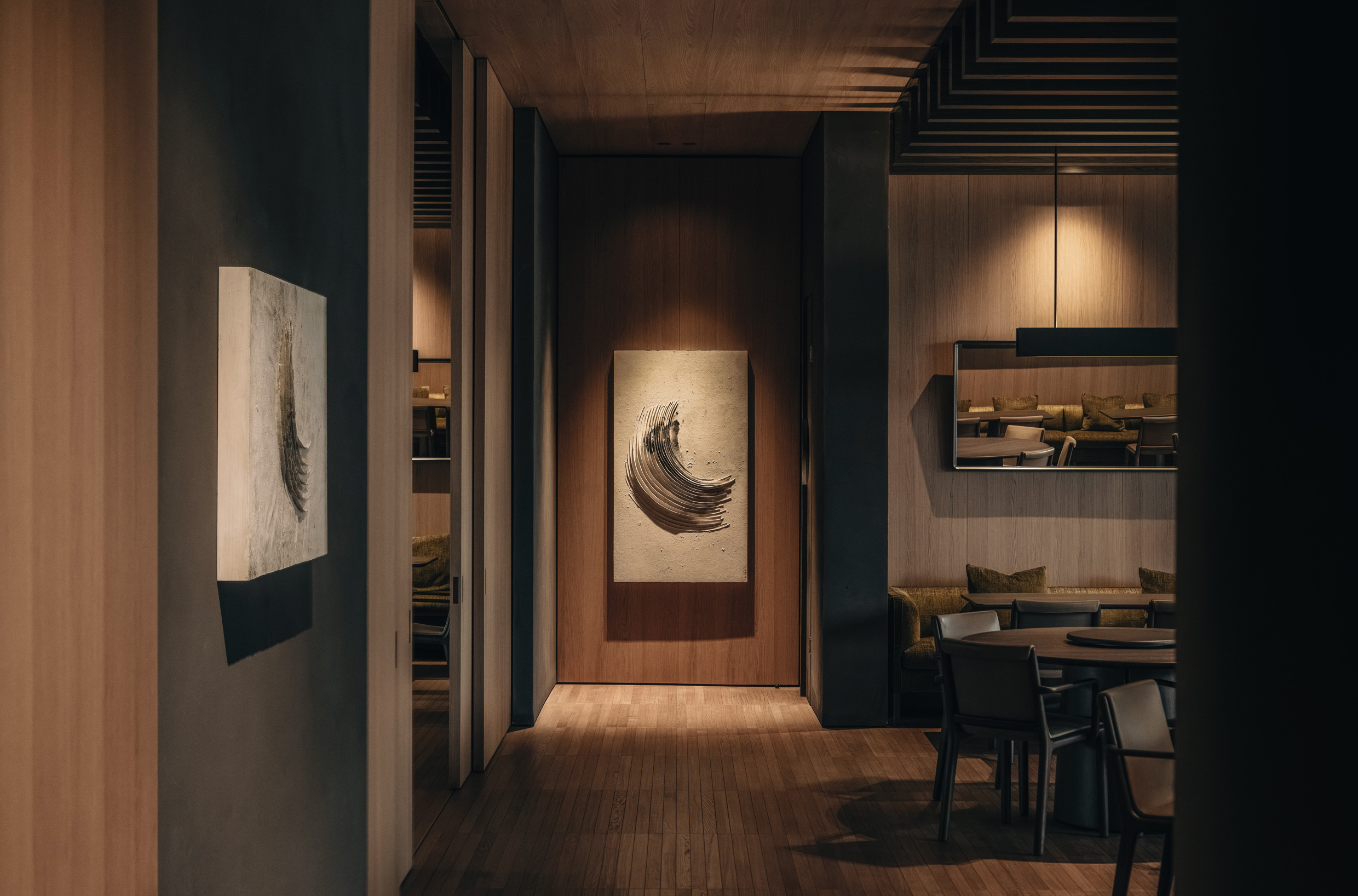
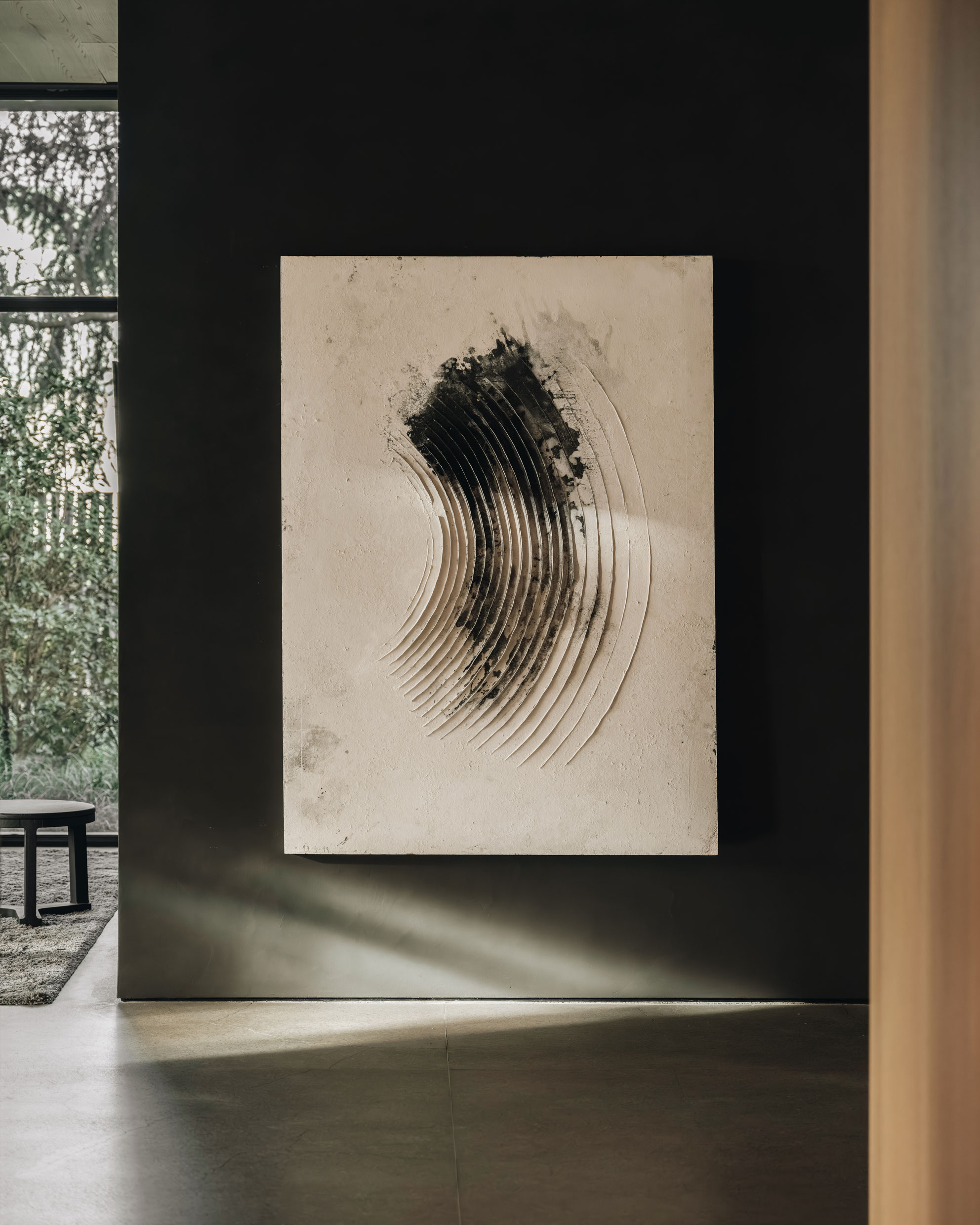
Guillem Nadal’s textured paintings display a sophisticated, minimal colour palette anchored by deep blacks, crisp whites, and earthy tones of gray and brown. Resulting from profound mastery, his works merge the contemporary artist's inner self with natural echoes, giving rise to multiple perceptions. Almost bas-reliefs, they are three-dimensional, featuring relief lines that rise like ridges in a topographic map; pigments of colour settle as if pressed by geological time, in a liminal space that has always captured the artist’s fascination. Like a cartographer, Guillem Nadal restores the landscape of the native island of Mallorca to become, no longer geographical, but intimate. The region of the mind, interrelated with the natural dimension in which the artist is immersed, corresponds to the space of the art.
 Photography by Daniel Civetta, Courtesy KALPA Gallery
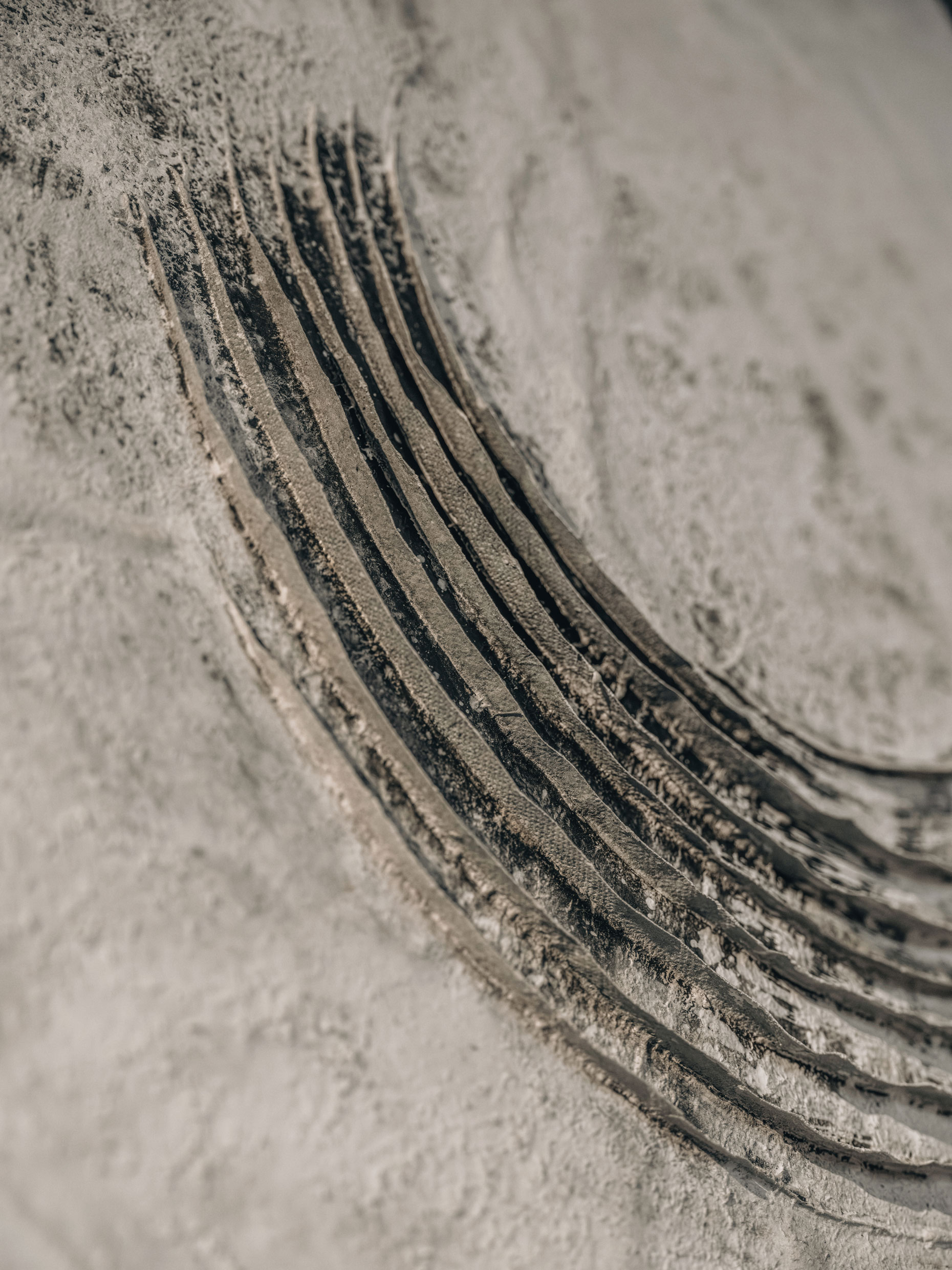 Photography by Daniel Civetta, Courtesy KALPA Gallery
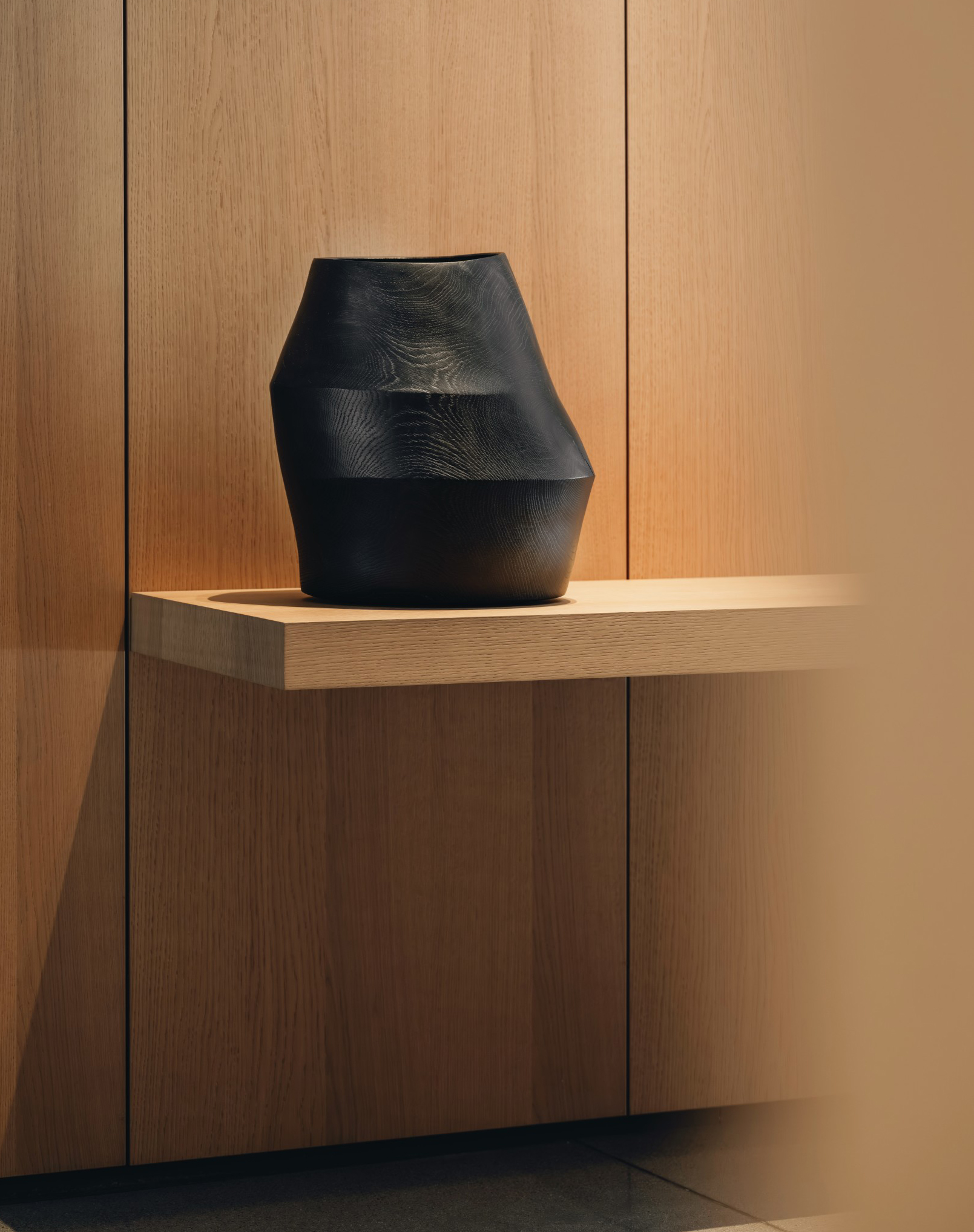
In dialogue with Guillem Nadal’s paintings are bold and primitive creations in wood by Marco Bellini and Konrad Koppold. Wood is a dynamic material that offers sculptors limitless creative potential, adapting to the language of contemporary art while retaining its natural and ancient essence. The distinct grain and texture ensure the uniqueness of each piece, making each artwork an organic element breathing life into the space.
 Photography by Daniel Civetta, Courtesy KALPA Gallery
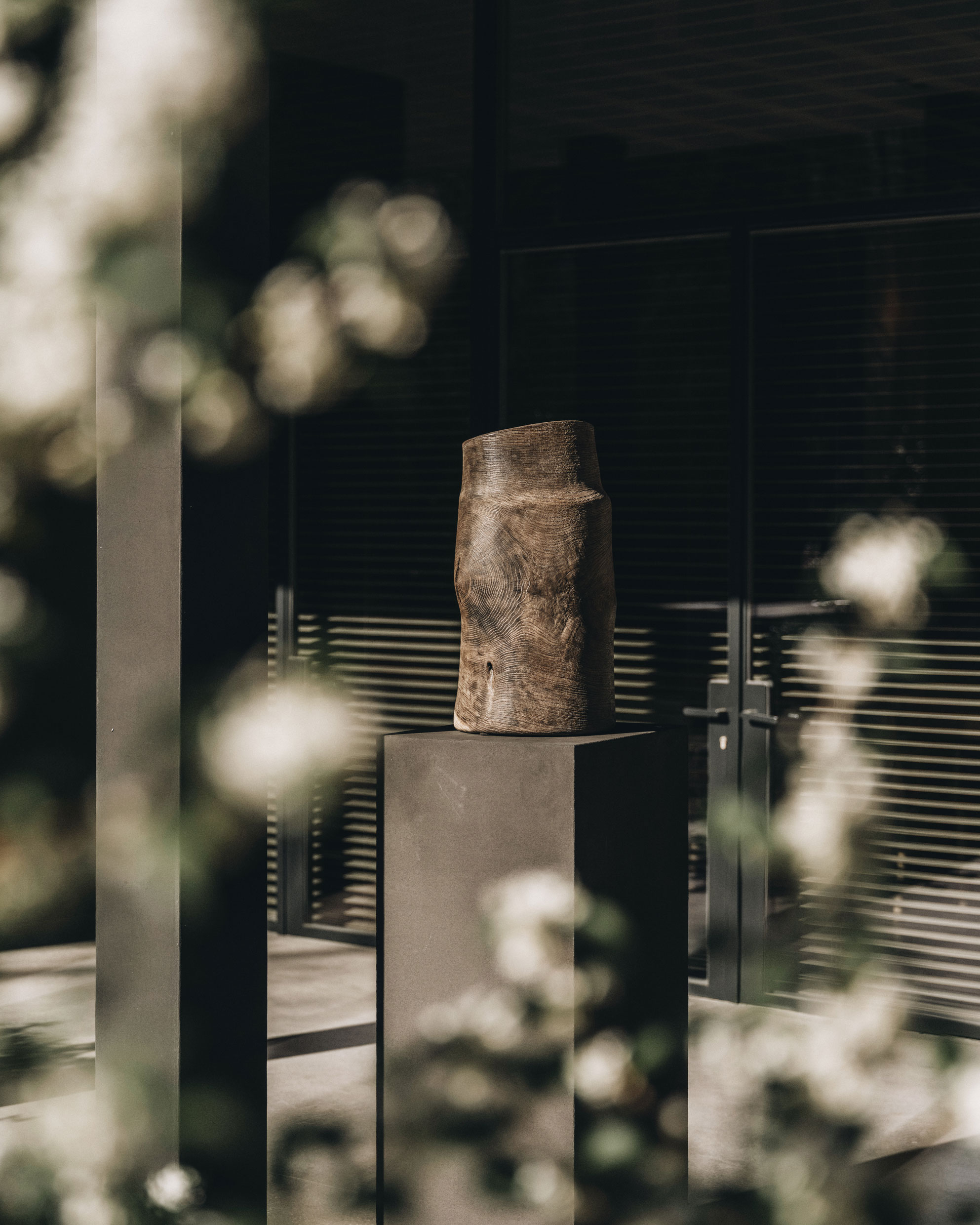 Photography by Daniel Civetta, Courtesy KALPA Gallery
By accentuating organic junctures, fissures, and raw textures of the original timber, Marco Bellini transforms any accidental moment in their creative process into a deliberate poetic expression. Exhibited at the Pavilion, stunning new vessels from the “Noddist” and “Eutanathos” series in plane tree and walnut.
Drawing its title from the Greek words “eu” (good) and “thanatos” (death), the latter transcends ancient connotations to evoke a natural, regenerative passage, a celebration of transformation and the graceful cycles of existence. Marco Bellini works exclusively with fallen trees, such as maple recovered from a city garden and oak and walnut destined for firewood; in his hands, what was cut finds another life. The vessel becomes a threshold between disappearance and renewal.
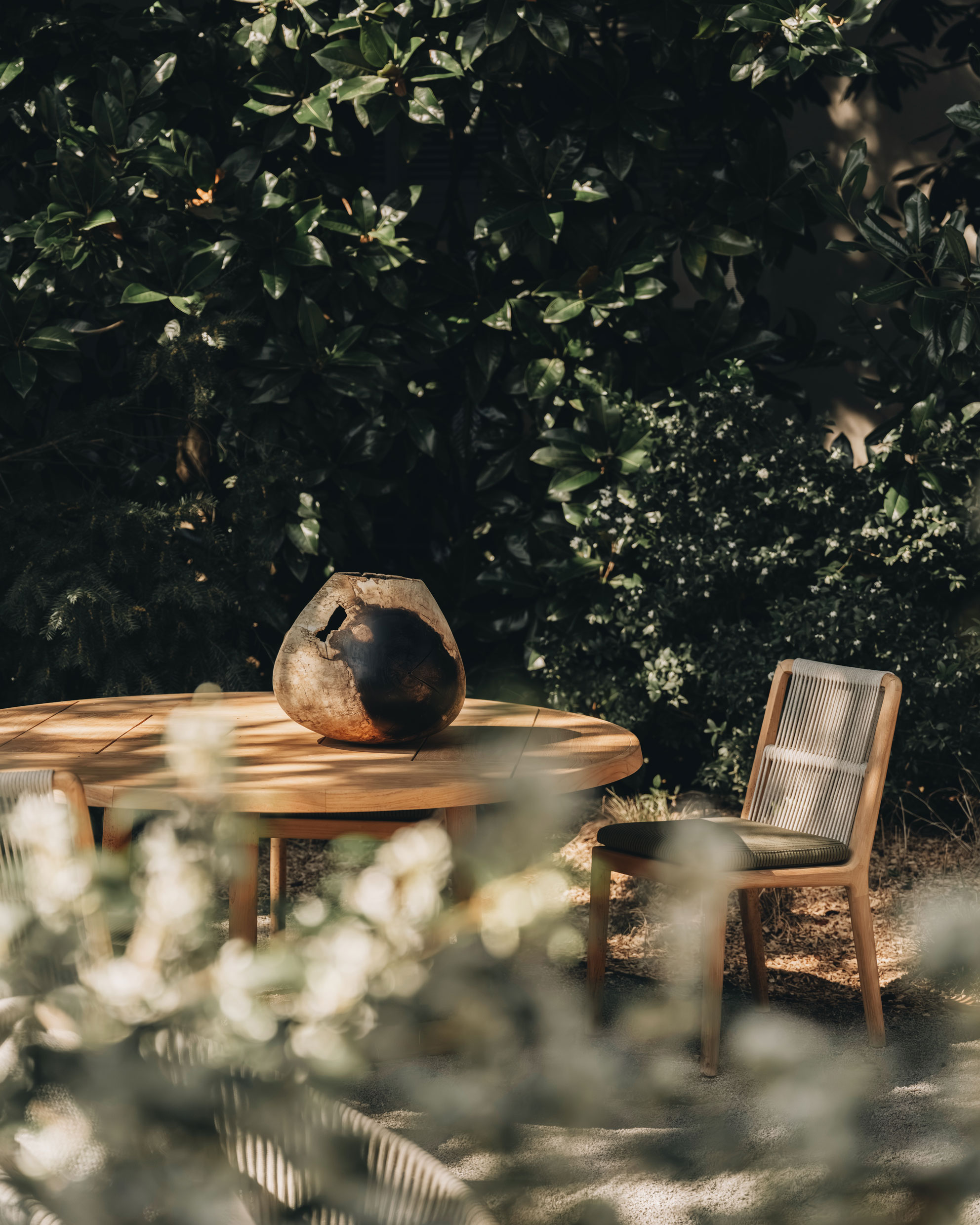 Photography by Daniel Civetta, Courtesy KALPA Gallery
 Photography by Daniel Civetta, Courtesy KALPA Gallery
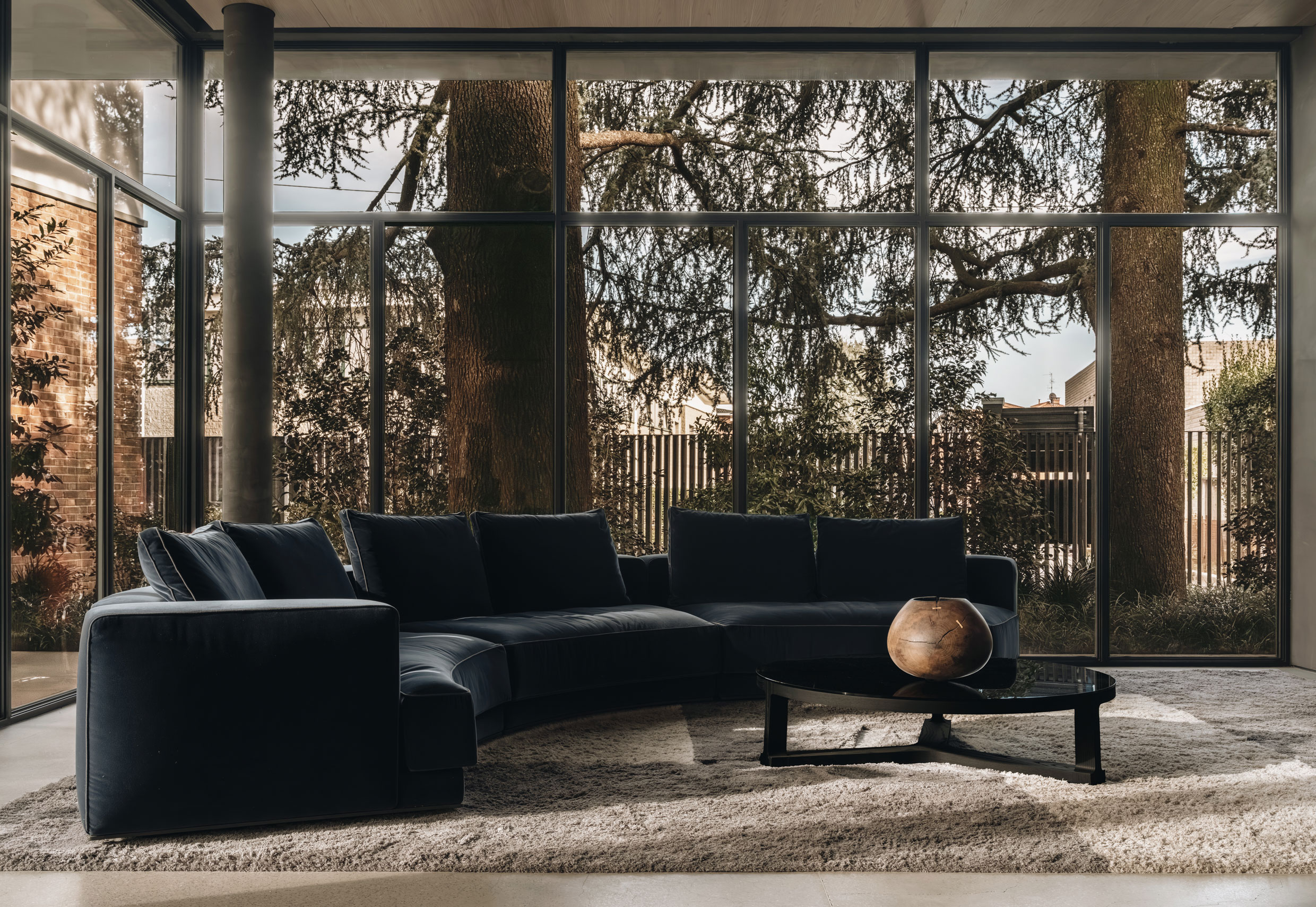
Bathed in the Pavilion’s crisp, natural light, Konrad Koppold's oakwood sculptures are austere totems that serve as powerful sources of energy. The artist's creative process originates from the inception of a form, often conceived through the use of drawings and clay models. Thus, turning on shifted and inclined axes, he gives tension and unexpected motions to his pieces, and challenges both their function and viewers’ perception. Expressing the artist's impeccable high craftsmanship and art awareness, the simple, clean forms of these sculptures reflect the character of the chosen woods. Distortions and fissures, the results of natural shrinkage, are incorporated in the artistic design and make up the works' special charm.
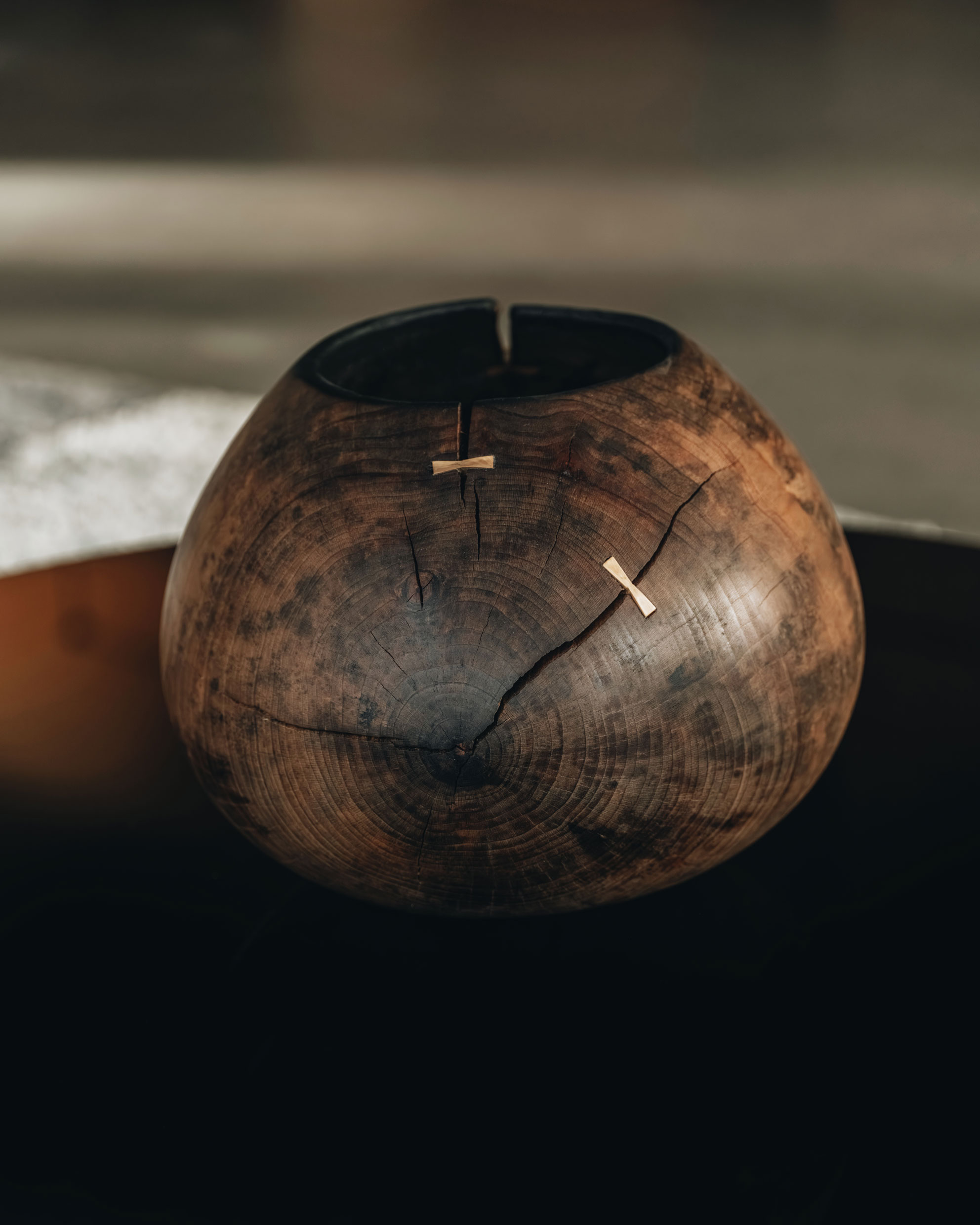 Photography by Daniel Civetta, Courtesy KALPA Gallery
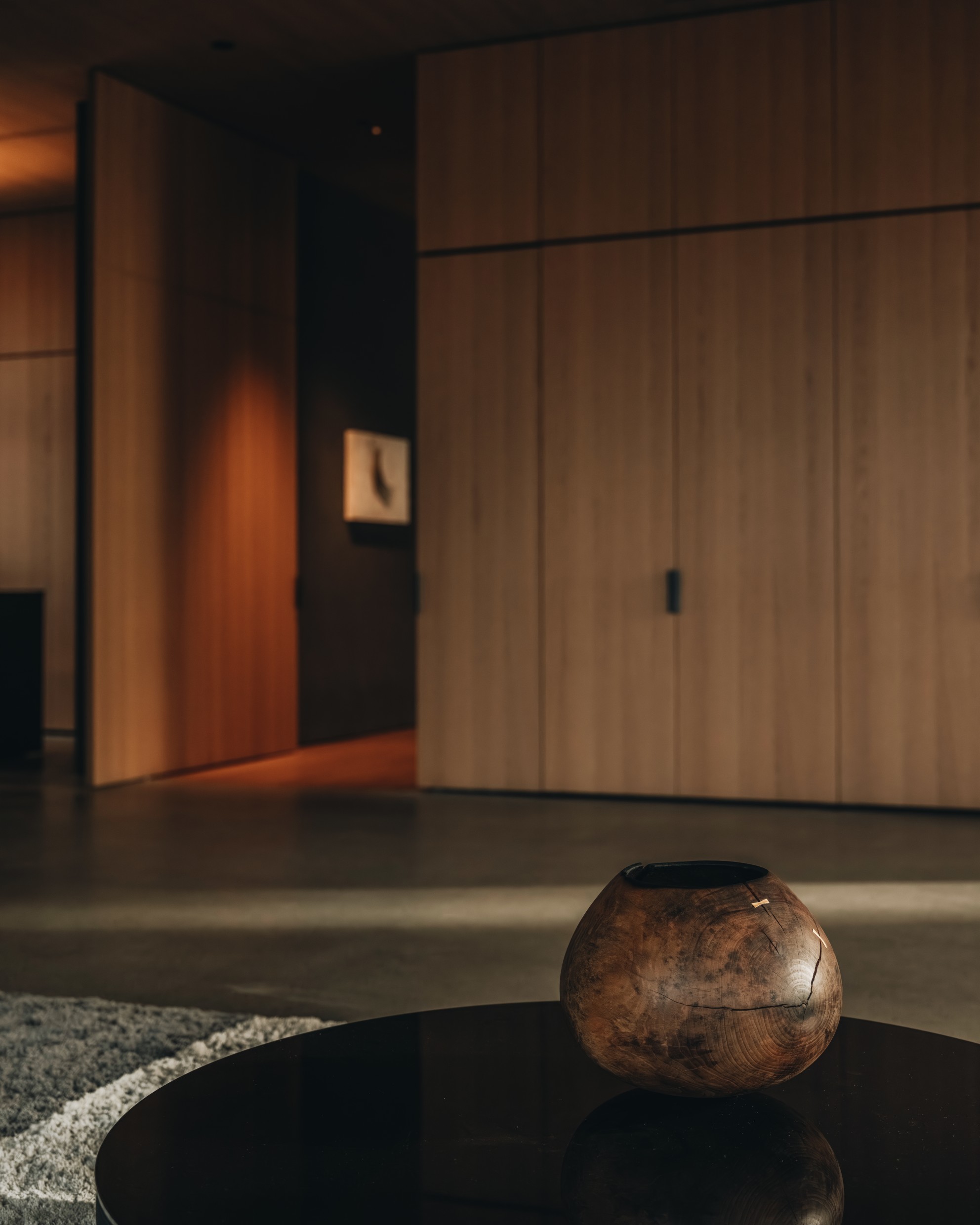 Photography by Daniel Civetta, Courtesy KALPA Gallery
Kate Windibank’s practice involves a continuous investigation of form and surface, with particular emphasis on ceramic materials, fragmentation, and rebirth. Part of the Pavilion of Arts, the new series “Karst” vessels, whose title refers to a specific type of geological formation created by the dissolution of soluble rocks, primarily limestone, but also dolomite and gypsum.
Drawing a parallel between the concept of rock erosion and the impact of time in shaping human experience and identity, each sculpture features its own intriguing sense of balance and contrast, strength and fragility. Kate Windibank's creative process begins with the making of soft clay slabs destined to be pressed into moulds. Once firm, the clay is broken into fragments and transformed into irregular forms with undulating edges, fault-lines, and fissures. In the firing process, the kiln turns clay to stone metallic oxides, reacting and flowing with glaze to create pattern, movement, and texture that remains permanently frozen on the surface of the form.
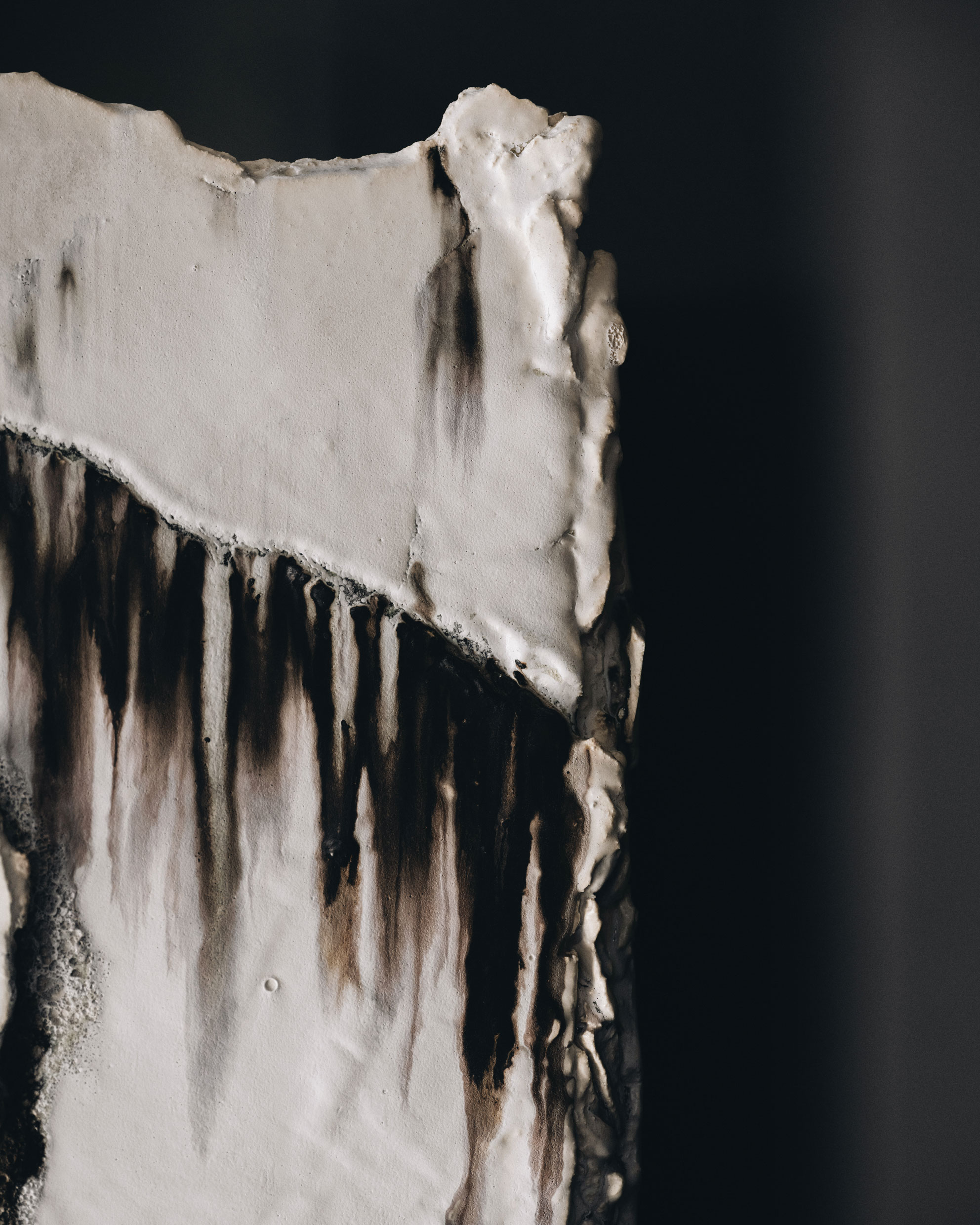 Photography by Daniel Civetta, Courtesy KALPA Gallery
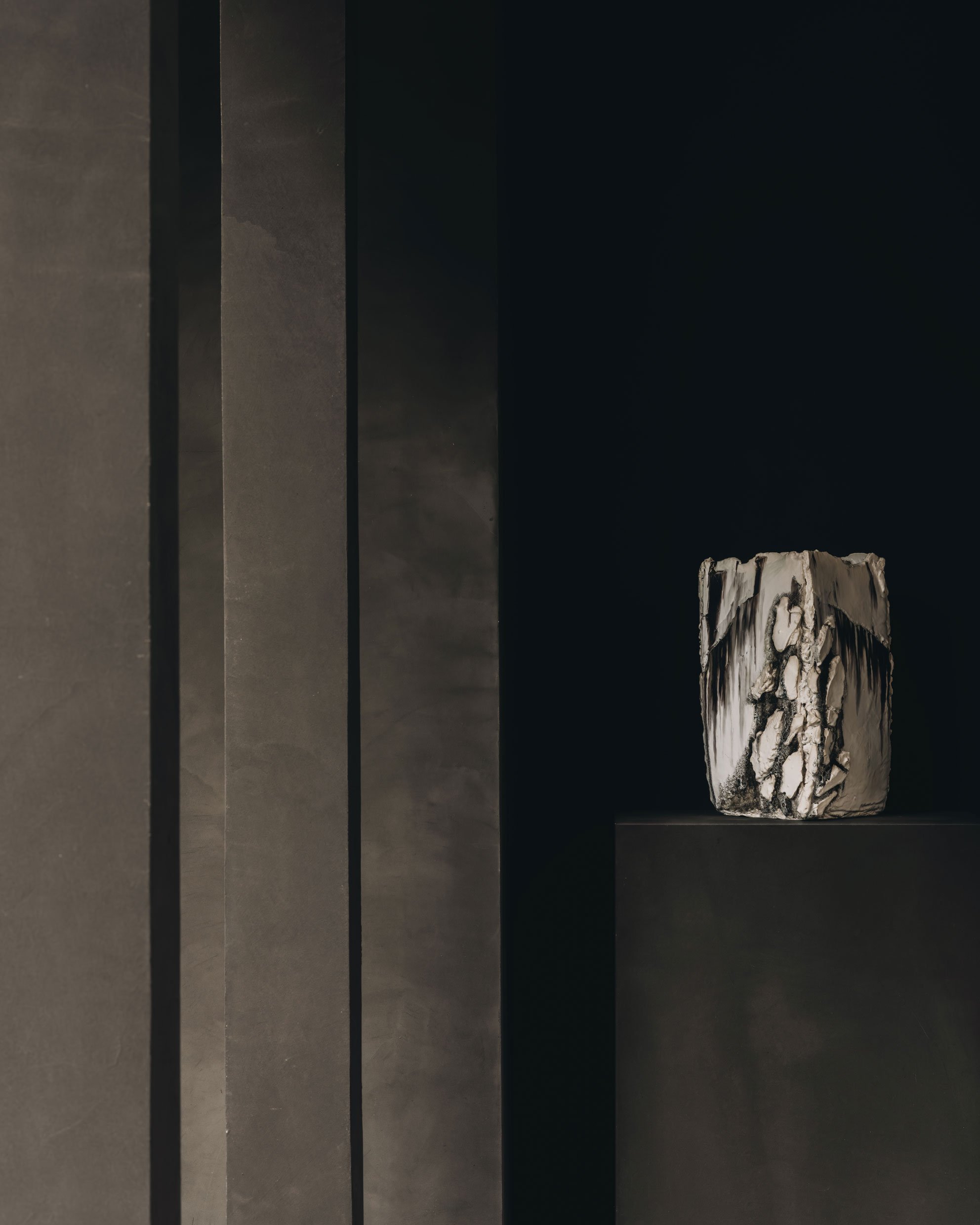 Photography by Daniel Civetta, Courtesy KALPA Gallery
Through the curated intersection of wood, clay, and pigments of colours, the array of artworks in the Pavilion infuses harmony between the built environment and the raw pulse of the natural world. As the fresh April light shifts across the tactile surfaces of Nadal’s landscapes, Windibank’s ceramics, and the sculptural vessels of Bellini and Koppold, it immerses the viewer in a fluid, deeply sensory experience.
Main Image: Photography by Daniel Civetta, Courtesy KALPA Gallery
KALPA Art Director Olga Niescier discusses her curatorial practice and the founding values of the art consultancy project for the Molteni&C Flagship Stores in New York and Miami.
Mario Carrieri published his Milano, Italia (1959) photo book, a cinematic portrayal of Milan from its barren suburbs to the dark glamour of the city centre, when he was only 27 years old.


